Living Data: How I Use Analytics to Shape Creative Output
Summary
1999 – present
Dragonsinn.com began in 1999 as one of the early dragon enthusiast websites. Over 25+ years, it has evolved into a long‑running creative ecosystem shaped by analytics and iterative content design.
The site serves a global audience interested in:
- history
- art
- poetry
- travel photography
- mythic storytelling
Across decades, I’ve used analytics to guide creative direction, refine content categories, and understand how people engage with long‑form creative work.
What this project demonstrates
- Pattern recognition across years of content
- Audience behavior analysis (search trends, keywords, traffic patterns)
- Systems thinking applied to creative ecosystems
- Cross‑platform insights (web → SEO → YouTube → microapps)
- Adaptability in response to shifting digital landscapes
Tools
A wide range over the years: CMS platforms, analytics dashboards, SEO tools, YouTube Studio, AI‑collab microapp builders.
Website: Dragonsinn.com
Mini Case Studies
YouTube [2026]
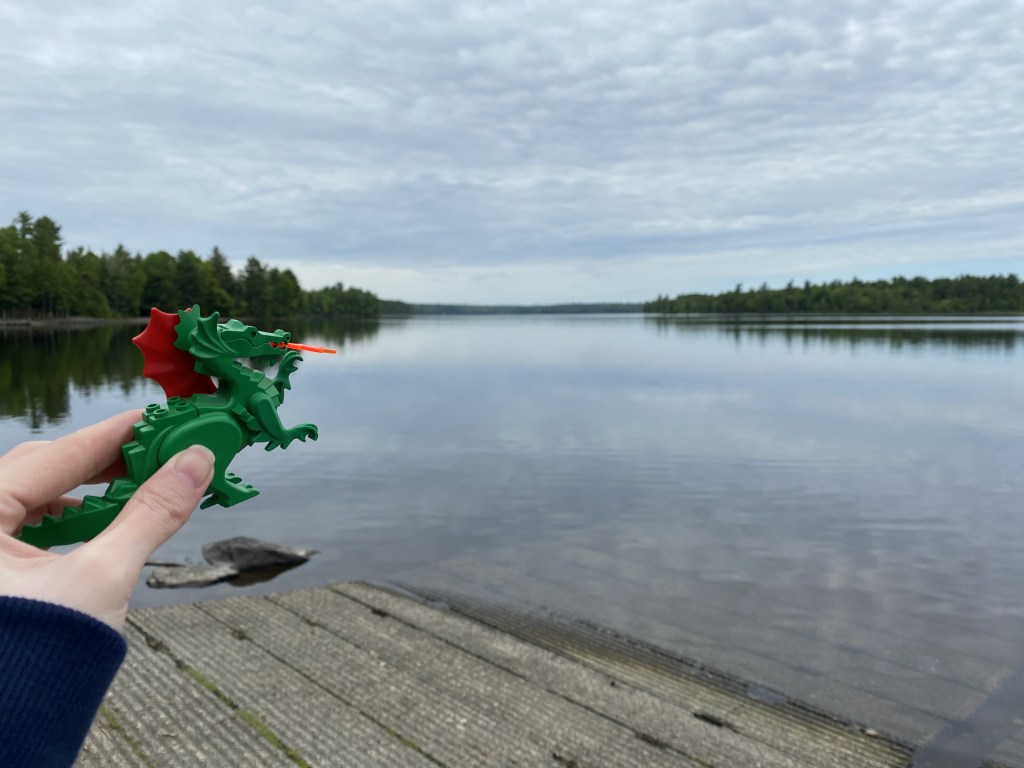
In late 2025, I expanded Dragonsinn’s creative archive into video, experimenting with low‑stress filming during local Maine hikes and drives. YouTube analytics revealed that viewers were finding my channel through searches like “poems about nature and the environment.”
This insight resurfaced an eco‑poetry chapbook I drafted years ago. I published those poems with narration on YouTube to maintain cohesion across my creative projects.
Skills shown: cross‑platform analytics, keyword interpretation, creative strategy informed by audience behavior.
Microapps [2026]
Designed and built through AI collaboration, these microapps explore interactive storytelling and structured content delivery.
Skills shown: systems thinking, UX micro‑interaction design, creative prototyping.
Content Analysis [2025+]
A structured look at long‑term categorization and content trends across decades of posts.
Skills shown: taxonomy design, pattern analysis, long‑term dataset interpretation.
SEO [1999 – 2024]
Notes from the site’s earlier days, covering search behavior, content restructuring, and adapting to major shifts in web standards.
Skills shown: information architecture, search trend interpretation, iterative content strategy.

