
I was thinking of doing mini book reviews on my blog (and cross-posting on my microcast + vlog).
It’s partly to share recommendations of books I’ve enjoyed, and partly to keep track of what I’ve read.
I borrowed this book from the library after reading a mention of it on The Economist. I remember first hearing about the book back in 2005 when it was published, through an Oprah episode on TV (I was a teenager at the time).
As a teenager, I enjoyed sports and carried a little bit of puppy fat. I slowed down with yoga and exercise for a few months after an outpatient surgery last year, as I didn’t want to overdo things and cause problems with the healing process.
I did notice a more sedentary lifestyle slowly creeping in, but until my partner got me an Apple Watch for my birthday, I hadn’t quite realized how sedentary I’d become. I think I’ve gotten less judgmental as I’ve gotten older when it comes to things like weight, appearance, relationships, etc. It’s easy to take things for granted when you’re young with a high metabolic rate and no chronic health issues.
Nowadays, I like doing simple exercises for ~30 minutes most of the time, as it helps me feel better physically and mentally. Eating healthily (most of the time) is the other part of it along with staying hydrated + getting enough sleep.
While my home-cooked meals are usually some variation of a “quick and easy Asian recipe*,” I like some variety.
* Perhaps quick and easy Asian recipes could be another blog post?
I was pleasantly surprised that this book had a good amount of recipes you can easily try at home. There were recipes for soups, desserts, and how to make your own bread or croissants.
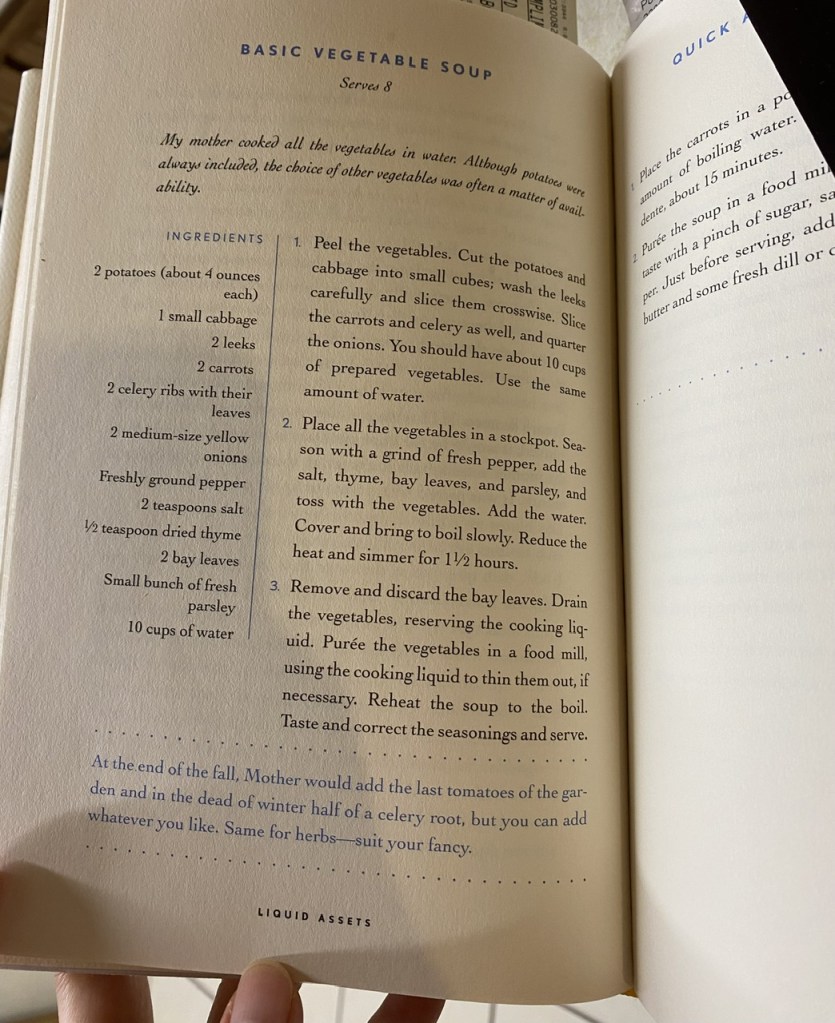
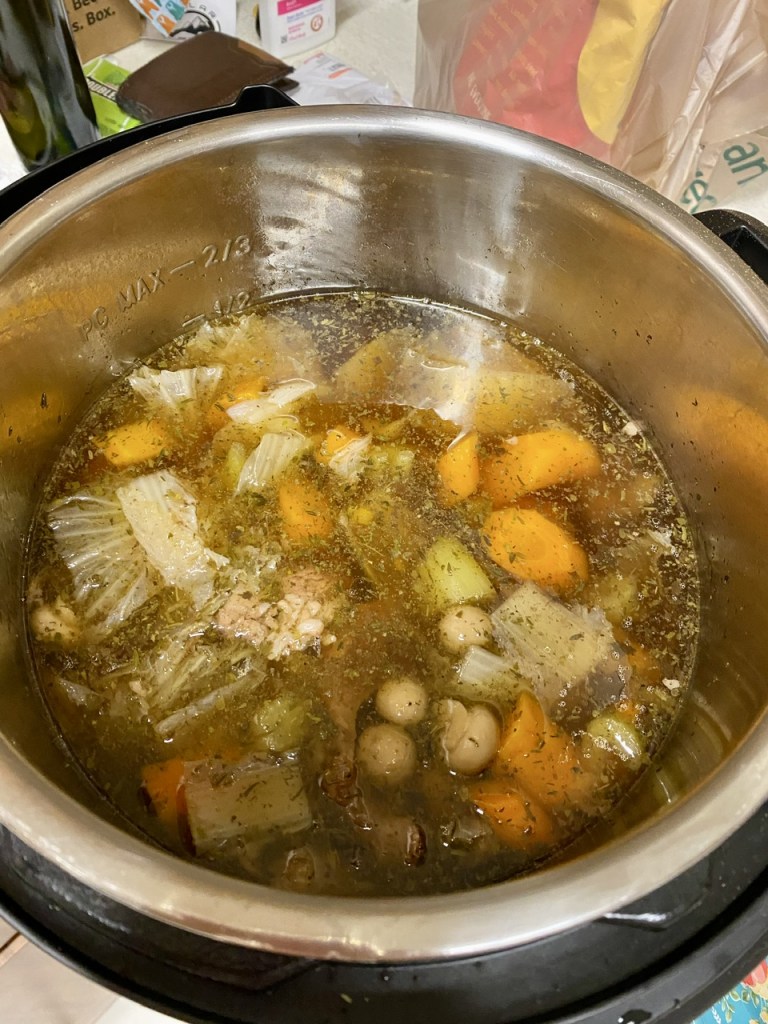
Here’s an example of a vegetable soup recipe from the book, followed by a picture of the version I made (I added a small beef shank and beef broth).
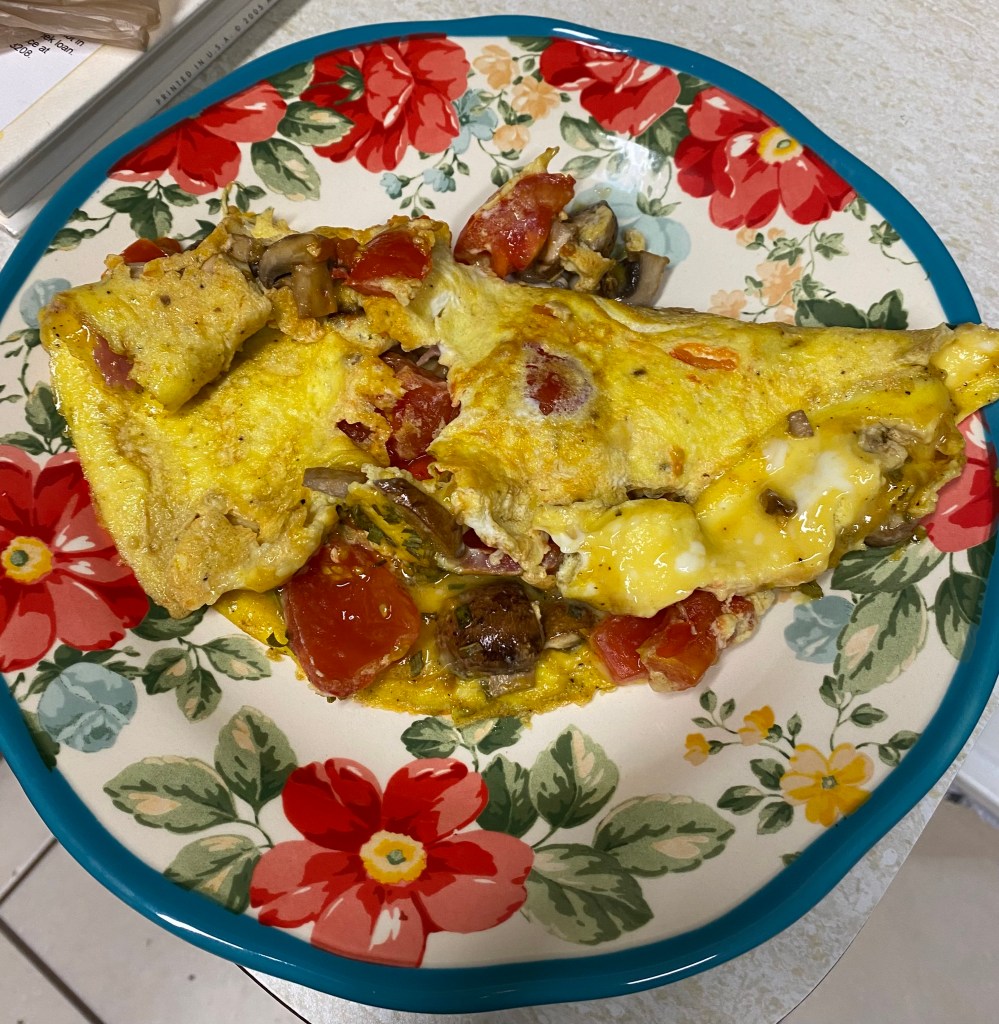
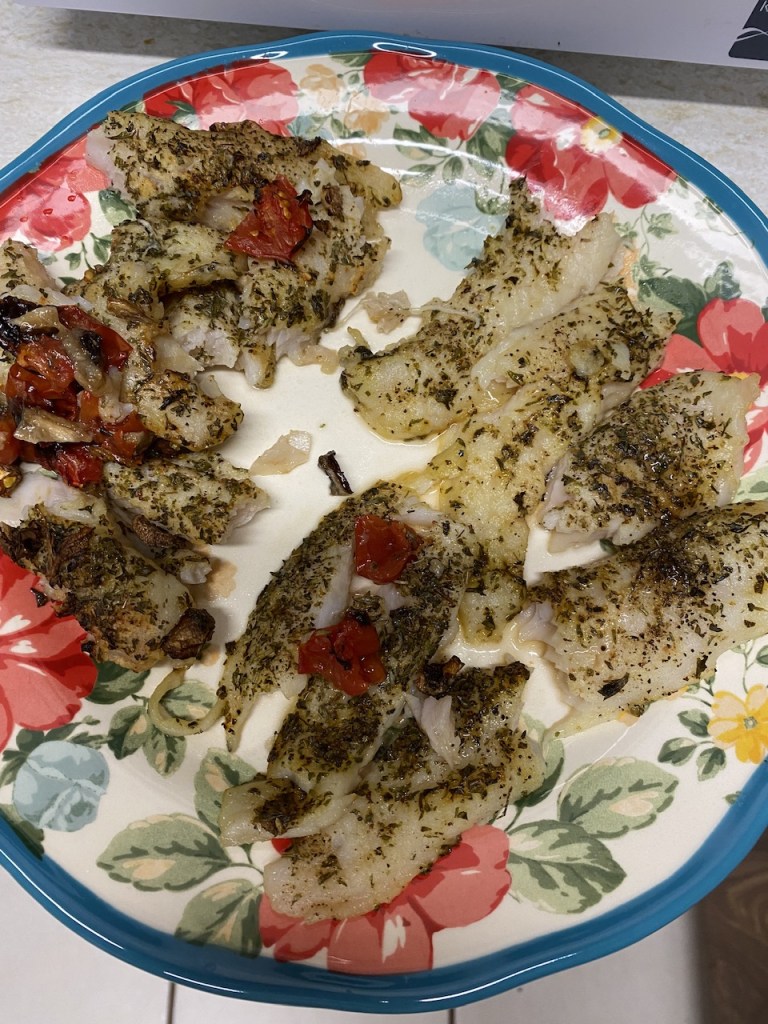
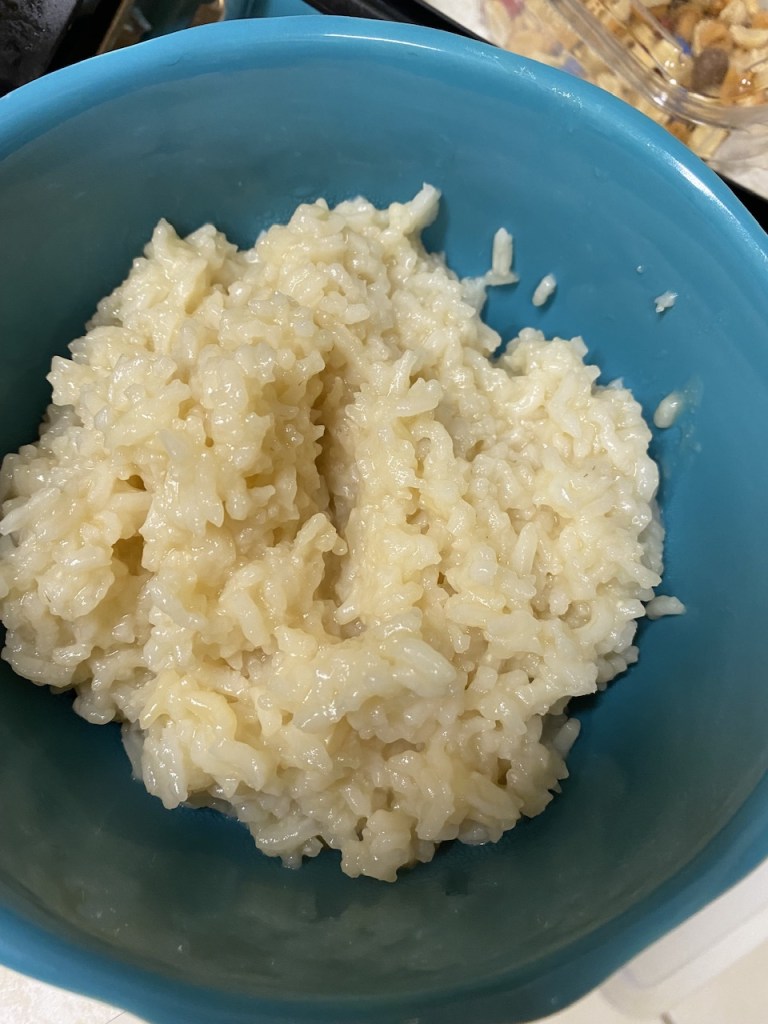
Since we’re talking about food, here are a few more pictures from our Sunday meals (the omelette was using whatever we had in the fridge, the rice was with chicken stock, while the swai fish was air fried with the seasonings from this mashed.com recipe)—
Here’s my bullet point summary highlighting some essential takeaways from the book (I’ll be referring to this list while vlogging, otherwise my mind draws a blank!)—
Bullet Point Summary
- The emphasis in French culture is on pleasure > deprivation when it comes to food.
- This book was quite relaxing for me to read, as it isn’t really about dieting. It’s about culture and a lifestyle, and as the tagline says, “the secret of eating for pleasure.”
- The author started her journey (consciously) after gaining twenty pounds while being an exchange student in America.
- Practice mindful eating. Savor and be aware of what you’re actually eating.
- Cut down on excessive sugar/salt/alcohol (i.e. a glass of red wine with/after dinner is okay).
- (Page 46) You’d need approximately 3 months initially in the “recasting” phase. This is when you first take a look at your eating habits and make a log of the changes you’re making. This phase can be skipped if you’re more or less already in “maintenance” mode and are seeking to learn more about French culture.
- The freshness and quality of ingredients matter (you “can’t fake a good tomato”).
- Speaking of tomatoes, don’t keep them in the fridge.
- Watch portion sizes. I noticed this when I moved to the U.S. as well. I usually can’t finish the entire plate if I’m at a restaurant and I get a box for the leftovers.
- Have three healthy meals per day—don’t starve all day and go crazy in the evening.
- French women eat a lot of fruits and vegetables.
- There’s no need to take your weight daily and count calories to the extreme. The focus should be on awareness, and making adjustments to cultivate an enjoyment of your meals.
- Breathing is related to metabolism.
- (Page 214) Some basic, easy daily movements are essential (i.e. a 30-minute stroll before breakfast or after dinner).
- French women like variety in their cuisine to fight boredom.
- When it comes to home cooking, keep it simple.
- The book has nice, sensible recipes, and there are even chapters on enjoying bread and croissants!
- Listen to your body and make adjustments according to your preferences.
- Sleep and hydration are vital.
- There’s a great “life stages” section towards the end of the book. Refer to the section according to your age group for additional tips.
- As you age, you can either be morose about aging-related changes, or take the time to build awareness to cultivate pleasures (the latter seems to be part of French DNA).
- The book ends with…a bullet point summary of the author’s observations. Some of these include:
- French women typically think about good things to eat. American women typically worry about bad things to eat.
- French women eat smaller portions of more things. American women eat larger potions of fewer things.
- French women eat with all five senses, allowing less to seem like more.
- French women drink water all day long.
- French women avoid anything that demands too much effort for too little pleasure.
All in all, a pleasant, charming, and useful book. The above bullet points just skim the surface. Reading the book will give you a more immersive experience of the cultural approach to it.
I might even get a copy to have on my shelf at home (I only got a library copy because my shelves are not very manageable at the moment).
 Jess Chua
Leave a comment